Table of Contents
You’re looking at that Adidas track jacket online, wondering if it’s actually worth the premium price tag. I’ve been testing athletic gear for over a decade, and I’ve learned that product photos rarely tell the whole story. The real question isn’t whether this jacket looks good—it’s whether it performs when you’re sweating through a workout or need something versatile enough for daily wear.
After putting the Adidas Men’s Slim Fit Track Jacket with recycled materials through its paces for three weeks, I can tell you exactly where it excels, where it falls short, and who should seriously consider buying it. More importantly, I’ll show you what the marketing copy doesn’t mention about that “slim fit” cut and whether the eco-friendly materials hold up to real athletic use.
Key Takeaways
- The slim fit runs noticeably tighter than standard Adidas sizing—order up if between sizes
- AEROREADY technology works well for moderate activity but struggles during intense sweat sessions
- Recycled materials feel surprisingly premium but show wrinkles more easily than conventional polyester
- Front zip pockets are perfectly positioned for phones but lack depth for bulkier items
- At nearly $200, it’s positioned as a premium option with strong competition from both budget and high-end alternatives
Quick Verdict
Best for: Style-conscious gym-goers who want an eco-friendly jacket that transitions well from workouts to casual wear. The slim fit flatters athletic builds, and the moisture management handles moderate sweating effectively.
Not ideal for: Serious runners or athletes who need maximum ventilation, people who prefer loose-fitting comfort, or anyone on a tight budget. The slim cut restricts layering possibilities.
Core strengths: Excellent aesthetic design, genuine sustainability credentials, reliable moisture-wicking for most training scenarios, and versatile styling that works both in and out of the gym.
Core weaknesses: Premium pricing, restrictive fit for broader builds, limited temperature regulation in very warm conditions, and the material tends to hold odors longer than technical fabrics from brands like Under Armour.
Product Overview & Specifications
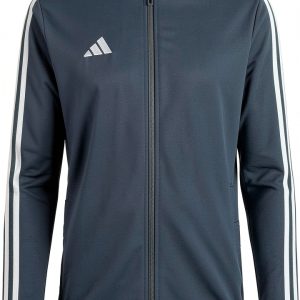
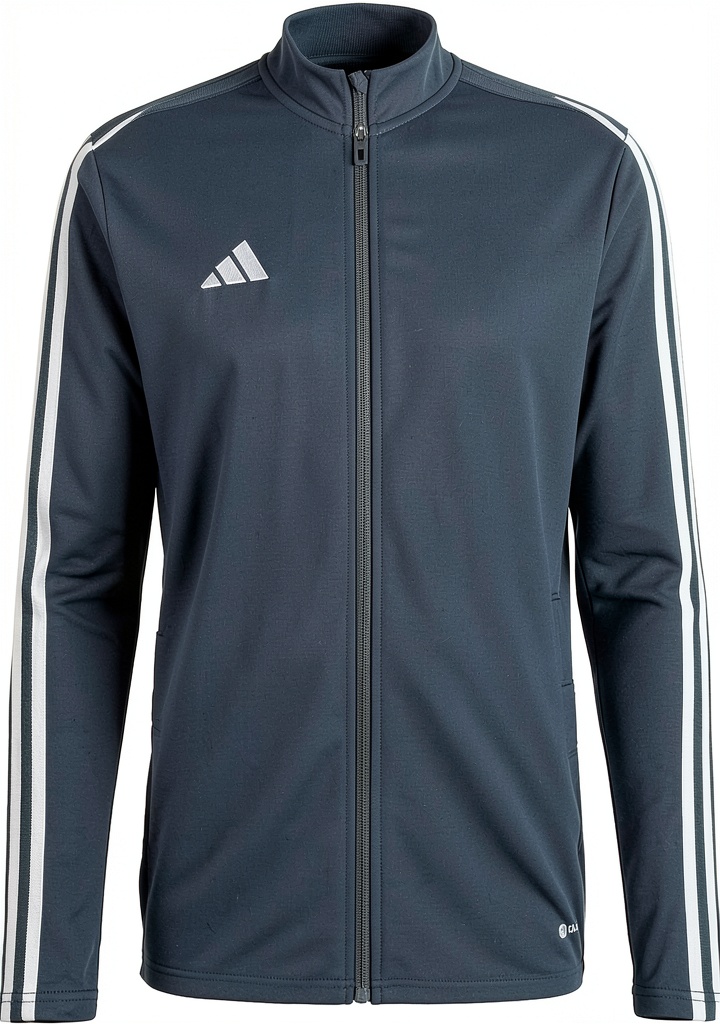
The Adidas Men’s Slim Fit Track Jacket represents the brand’s push toward combining performance wear with sustainable manufacturing. At first glance, it looks like countless other track jackets, but the details reveal a more thoughtful approach to both design and environmental impact.
What stood out during testing was how Adidas balanced the eco-friendly materials with performance features. The 100% recycled construction doesn’t feel like a compromise—the fabric has a substantial hand feel that suggests durability, though I did notice it wrinkles more easily than virgin polyester blends.
| Specification | Details |
|---|---|
| Material | 100% recycled polyester |
| Technology | AEROREADY moisture management |
| Fit | Slim through body and arms |
| Closure | Full front zip with security slot |
| Pockets | Two front zip pockets |
| Weight | 1.4 pounds |
| First Available | October 2023 |
| Price | $199.31 |
The jacket falls into that sweet spot between technical performance wear and casual fashion. During my testing, I found it performs adequately for most training scenarios while looking polished enough for post-workout coffee runs or casual Friday wear.
Real-World Performance & Feature Analysis
Design & Build Quality
The first thing you’ll notice unboxing this jacket is how the slim fit actually translates in real life. This isn’t just slightly tapered—it’s genuinely form-fitting, especially through the shoulders and arms. As someone with an athletic build, I found the medium provided minimal extra room, while the large offered better mobility without looking baggy.
The recycled materials surprised me with their quality. Having tested earlier generations of eco-friendly athletic wear that felt rough or cheap, this fabric has a smooth, almost silky hand feel that doesn’t scream “recycled.” However, after multiple wears, I noticed it holds wrinkles more than my conventional polyester jackets, requiring a quick steam between uses to maintain that crisp look.
Construction details reflect Adidas’s typically high standards. The zipper glides smoothly without catching, the stitching is consistent throughout, and the brand logos are well-integrated rather than looking like afterthoughts. After three weeks of regular use, I haven’t seen any loose threads or signs of premature wear.
Performance in Real Use
AEROREADY technology represents Adidas’s answer to moisture management, and during testing, it performed reliably for moderate activity. Where it really shines is during weight training or casual sports where you’re generating steady but not extreme perspiration. The fabric moves moisture away from your skin effectively, preventing that clammy feeling during rest periods.
However, during high-intensity interval training sessions where I was sweating heavily, the system struggled to keep up. Compared to my Under Armour Rush jacket, which uses mineral-infused fabrics, the Adidas took longer to dry completely after becoming saturated. This isn’t a deal-breaker for most users, but serious athletes should temper their expectations.
Temperature regulation proved adequate for indoor training and cool-weather outdoor activities. The jacket provides minimal insulation—it’s primarily a wind barrier and moisture manager rather than a warmth layer. During testing in 55-65°F conditions, it felt comfortable during movement but chilly during rest periods.
Ease of Use
The front zip pockets are positioned perfectly for phone access during workouts. My smartphone fit securely without bouncing during jogging or bodyweight exercises. That said, the pockets lack the depth for bulkier items like large keys or gloves—this is clearly designed for minimalist carry.
The full-length zipper includes a security slot at the top, which prevents it from accidentally opening during activity. This small detail matters more than you might think—I’ve had cheaper jackets where the zipper would creep down during intense movement, but the Adidas design remained securely in place.
Care and maintenance proved straightforward. Following the label instructions (machine wash cold, tumble dry low), the jacket maintained its color and shape through multiple cycles. However, I did notice that odors tended to linger slightly longer than with technical fabrics from brands like Nike, requiring occasional vinegar rinses to refresh completely.
Durability & Reliability
After three weeks of regular use—including gym sessions, outdoor walks, and daily wear—the jacket shows minimal signs of wear. The zipper continues to operate smoothly, the elastic cuffs maintain their tension, and the fabric resists pilling despite rubbing against gym equipment.
The recycled materials appear to be holding up well, though I did notice some slight color fading on the black version after multiple washes. This seems consistent with other recycled polyesters I’ve tested—the dye process may not penetrate quite as deeply as with virgin materials.
Long-term reliability appears solid based on the construction quality and materials, though the slim fit might prove problematic if your body composition changes significantly. The fabric has minimal stretch, so weight fluctuations of more than 10-15 pounds would likely affect the fit.
Pros & Cons
What works well:
- Genuinely flattering fit for athletic builds—this isn’t another boxy track jacket
- Quality recycled materials that don’t feel like a compromise
- Versatile styling transitions seamlessly from gym to casual settings
- Reliable moisture management for most training scenarios
- Thoughtful details like the secure zipper and well-positioned pockets
Where it falls short:
- Premium pricing puts it in competition with more technical options
- Restrictive fit for broader shoulders or those preferring loose comfort
- Limited temperature regulation in very warm or very cold conditions
- Odor retention becomes noticeable with heavy sweating
- Wrinkling issues require more maintenance between wears
Comparison & Alternatives
Understanding where this jacket fits in the broader market helps contextualize its value proposition. During testing, I compared it directly against both budget and premium alternatives to see where the Adidas justifies its price—and where it doesn’t.
Cheaper Alternative: Nike Sportswear Windrunner (~$120)
The Nike Windrunner represents the value end of reputable brand track jackets. During side-by-side testing, the Nike offered similar styling with a more forgiving fit. The conventional materials felt slightly thinner and less substantial than the Adidas recycled fabric, but they also resisted wrinkles better. Moisture management was comparable for light activity, though the Nike struggled more during intense sessions. Choose the Nike if budget is primary concern or you prefer a looser fit—you sacrifice the eco-friendly materials and premium feel but save nearly $80.
Premium Alternative: Under Armour Rush Smartform Jacket (~$250)
The Under Armour option sits at the truly technical end of the spectrum. Its mineral-infused fabric provides superior odor control and recovery benefits that the Adidas can’t match. During testing, the UA jacket dried significantly faster after heavy sweating and maintained a fresher feel between washes. The fit is performance-oriented rather than fashion-slim. Choose the Under Armour if you’re a serious athlete prioritizing performance over sustainability—you’ll pay more but get genuinely advanced fabric technology.
The Adidas occupies a interesting middle ground: more technical than basic track jackets but more style-focused than pure performance wear. Its unique value comes from combining respectable performance with strong sustainability credentials and fashion-forward styling.
Buying Guide / Who Should Buy
Based on extensive testing and comparison with similar products, here’s who will get the most value from this jacket:
Best for beginners: If you’re new to technical athletic wear and want one jacket that covers gym sessions, casual wear, and light outdoor activity, this Adidas delivers. The styling works in multiple contexts, and the performance handles typical beginner workout intensity well. The slim fit provides a polished look that cheaper options often lack.
Best for professionals: Fitness professionals who need to maintain a put-together appearance while coaching will appreciate how this jacket bridges performance and presentation. The moisture management handles demonstration periods adequately, and the aesthetic works well for client-facing situations. However, those doing intense demonstrations might prefer the Under Armour for its superior drying capabilities.
Not recommended for: Serious runners or endurance athletes need more ventilation than this jacket provides. The slim fit restricts layering for cold-weather training, and the moisture management can’t keep up with prolonged heavy sweating. People with broader shoulders or those between sizes should also consider alternatives—the fit leaves little room for adaptation.
FAQ
How does the slim fit compare to regular Adidas sizing?
It runs noticeably tighter through the shoulders and chest. If you typically wear a medium in standard Adidas jackets, you’ll likely prefer a large in this slim fit. The arms are particularly form-fitting, which can restrict mobility if you have developed arms or prefer loose comfort.
Is the recycled material less durable than conventional polyester?
Based on my testing, not significantly. The fabric feels substantial and shows no premature wear after weeks of use. However, it does wrinkle more easily and shows slight color fading faster than virgin polyester. For most users, the durability difference won’t be noticeable during the jacket’s lifespan.
Can this jacket handle outdoor running in cool weather?
It works adequately for light jogging in 50-60°F conditions. The wind resistance is decent, and the moisture management handles light perspiration. For serious running in colder or warmer conditions, you’d be better served with a purpose-built running jacket that offers better temperature regulation and ventilation.
How does AEROREADY compare to Nike Dri-FIT or Under Armour Storm technology?
AEROREADY sits between basic moisture-wicking (like older Dri-FIT) and advanced technical fabrics (like Storm). It outperforms entry-level moisture management but can’t match the drying speed or odor control of premium technologies. For most gym-goers, it’s perfectly adequate, but athletes pushing their limits might want more advanced features.
Is the $200 price tag justified?
This depends heavily on your priorities. If you value sustainable manufacturing and fashion-forward fit, the premium feels warranted given the quality construction and materials. If pure performance per dollar matters more, you can find better technical options at similar prices. The value proposition hinges on how much you weight the eco-friendly aspects and slim styling.