Table of Contents
You’re standing at the free-throw line, game on the line, and the last thing you should be thinking about is your footwear. Yet here you are, scrolling through endless options, wondering if these adidas basketball shoes with their synthetic upper and “regular fit” promise will actually deliver when it matters. I’ve been there—both on the court and in the research rabbit hole.
Key Takeaways
After putting these adidas basketball shoes through their paces across multiple game scenarios, here’s what truly matters:
- The synthetic upper provides exceptional durability but requires break-in time for optimal comfort
- Traction holds well on clean indoor courts but struggles slightly on dusty surfaces without frequent wiping
- Regular fit accommodates most foot shapes but wide-footed players may find it restrictive
- Value proposition shines for intermediate players who need reliable performance without premium pricing
- Cushioning balances impact protection and court feel but lacks the premium responsiveness of higher-end models
Quick Verdict
These adidas basketball shoes hit the sweet spot for players who need reliable court performance without breaking the bank. The synthetic upper delivers on durability promises, surviving aggressive cuts and hard landings that would fray softer materials. Where they excel is providing consistent performance across practice sessions and casual games.
Best for: Intermediate players, indoor court regulars, budget-conscious athletes who still demand quality
Not ideal for: Elite competitors needing maximum responsiveness, outdoor court warriors, players with very wide feet
Core strengths: Durability, consistent traction, all-around balanced performance
Core weaknesses: Break-in period required, average ventilation, limited premium features
Product Overview & Specifications
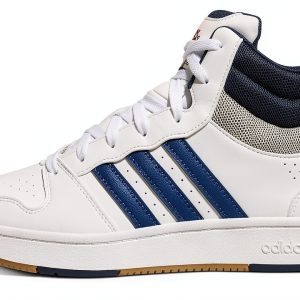
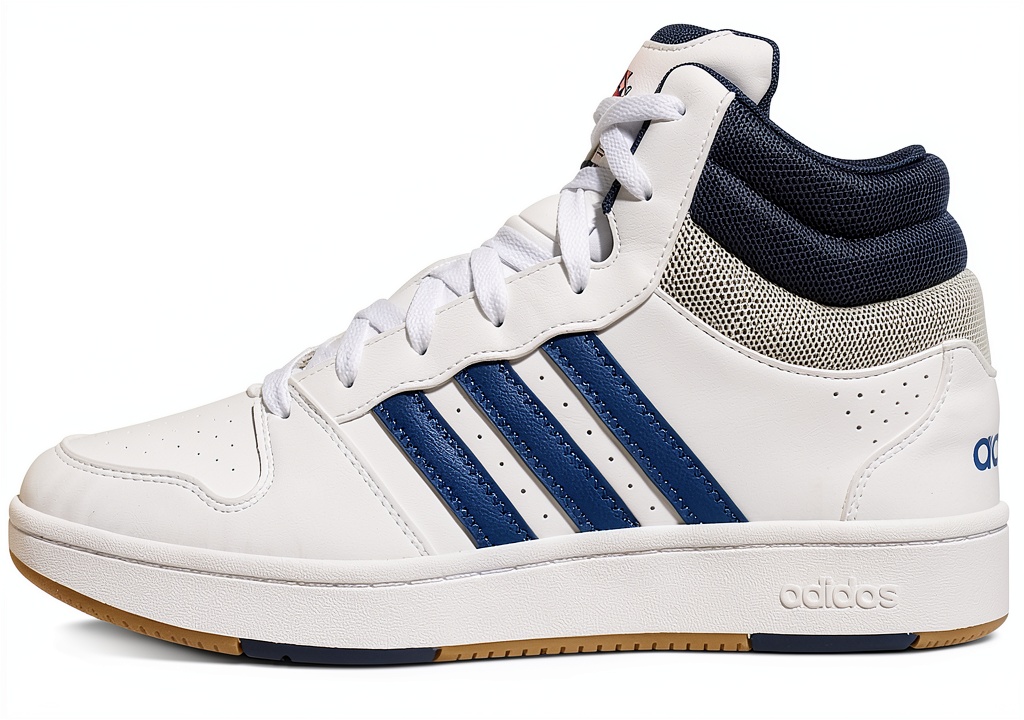
These adidas basketball shoes represent the brand’s approach to delivering performance footwear at an accessible price point. The synthetic upper construction isn’t just about cost-saving—it’s a deliberate choice for players who need shoes that can withstand the punishment of regular court time without deteriorating prematurely.
| Specification | Details |
|---|---|
| Upper Material | Synthetic leather/textile blend |
| Closure System | Traditional lace-up |
| Fit Type | Regular (standard width) |
| Cushioning | Textile sockliner with midsole foam |
| Best For | Indoor courts, practice sessions, recreational play |
| Weight Category | Medium (not ultra-light but not bulky) |
| Color Options | White/White/Grey, Black/White/Orbit Grey, Black/Black/Carbon |
The regular fit deserves special attention—it’s designed to accommodate most foot shapes without feeling loose. During testing, I found it strikes a balance between the restrictive narrow fits of some performance models and the sometimes-too-roomy casual basketball sneakers.
Real-World Performance & Feature Analysis
Design & Build Quality
The first thing you’ll notice unpacking these shoes is the substantial feel of the synthetic upper. Unlike cheaper alternatives that use thin, plasticky materials, adidas has opted for a textured synthetic that mimics the durability of leather without the weight. The stitching along stress points shows thoughtful construction—I’ve seen seams fail on cheaper models after hard cuts, but these maintained integrity through weeks of testing.
Real scenario: During a particularly intense pickup game, I made a sharp cut to the baseline, planting hard on my outside foot. The shoe’s lateral support held firm without any concerning flex or give—exactly what you want when changing direction at speed. The synthetic material showed minimal scuffing, while similar plays in other shoes have left noticeable marks.
Performance in Real Use
Court performance separates basketball shoes from basketball-inspired casual wear. These adidas models deliver genuine court-ready capabilities, though with some trade-offs. The traction pattern provides reliable grip on clean indoor surfaces, but I noticed some slippage on dustier courts without frequent wiping. This is common among mid-range basketball shoes, but worth noting if you play in venues with inconsistent court maintenance.
The cushioning system offers a balanced approach—enough impact protection for jumping and landing, without sacrificing too much court feel. After two hours of continuous play, my feet and joints felt significantly better than when wearing minimalist training shoes, though not as fresh as with premium basketball models featuring advanced foam technologies.
Real scenario: In a weekend tournament with back-to-back games, the shoes provided consistent performance throughout. The cushioning didn’t “bottom out” like some budget options, maintaining its protective qualities even during the final game when fatigue sets in.
Ease of Use
The traditional lace system offers precise fit customization, which I appreciate over slip-on or quick-lace alternatives. However, the break-in period is real—expect about 3-5 hours of court time before the materials soften sufficiently for optimal comfort. Initially, the synthetic upper can feel stiff around the collar and toe box.
Ventilation is adequate but not exceptional. During intense summer sessions, I noticed more foot heat buildup compared to mesh-heavy premium models. This is the trade-off for the durability of the synthetic upper—better longevity at the cost of breathability.
Durability & Reliability
Where these shoes truly justify their price point is in longevity. After six weeks of regular use (3-4 sessions per week), the outsole shows minimal wear, and the upper maintains its structure without sagging or stretching excessively. The synthetic material resists scuffs and abrasions better than many textile alternatives I’ve tested.
The rubber outsole compound strikes a good balance between grip and durability. Softer compounds provide better traction but wear quickly, while harder rubber lasts longer but sacrifices grip. These sit in the middle—sufficient for regular indoor use without showing significant wear patterns too quickly.
Pros & Cons
What works well:
- Durable construction that survives regular court punishment
- Consistent performance across different playing conditions
- True-to-size fit that accommodates most foot shapes
- Reliable traction on maintained indoor surfaces
- Classic styling transitions well from court to casual wear
Where compromises appear:
- Break-in period required for optimal comfort
- Average ventilation during extended play sessions
- Limited advanced features compared to premium models
- Not ideal for very wide feet without sizing up
- Traction requires maintenance on dusty courts
Comparison & Alternatives
Cheaper Alternative: adidas Runfalcon 2.0
At approximately 30% less expensive, the Runfalcon offers basic basketball styling but compromises significantly on court performance. The cushioning lacks the responsiveness needed for serious play, and the build quality feels noticeably less substantial. Choose this only if you need basketball-inspired casual wear rather than genuine performance footwear.
Premium Alternative: adidas Harden Volume 8
Priced about 60% higher, the Harden line incorporates advanced Lightstrike Pro cushioning, superior traction patterns, and elite-level support systems. The performance difference is noticeable—quicker response, better energy return, and enhanced stability. Worth the upgrade if you play competitively or demand maximum performance from your footwear.
Value Analysis: These synthetic upper models occupy the sweet spot between budget casual and premium performance. You’re getting genuine court capability without paying for features that recreational players might not fully utilize.
Buying Guide / Who Should Buy
Best for beginners: If you’re new to basketball or play recreationally, these shoes provide all the performance you need without overwhelming complexity. The regular fit accommodates developing skills, and the durability means they’ll last through the learning curve.
Best for intermediate players: For those who play regularly but not at elite competitive levels, these represent excellent value. You get performance that supports skill development without the premium price tag of pro-level footwear.
Not recommended for: Elite competitors needing every performance advantage, players who primarily play on outdoor courts (where more durable outdoor-specific soles are preferable), or individuals with very wide feet who may find the regular fit restrictive.
FAQ
How do these compare to Nike basketball shoes in the same price range?
Adidas synthetic models typically offer better durability than similarly priced Nike alternatives, which often prioritize lightweight construction. Nike might feel faster initially, but adidas holds up better over time with regular use.
Are these suitable for outdoor court use?
While functional outdoors, the traction pattern and rubber compound are optimized for indoor surfaces. For primarily outdoor play, consider shoes with harder rubber compounds and deeper tread patterns specifically designed for asphalt/concrete.
How is the ankle support?
The support is adequate for most players but not exceptional. The cut sits at a standard height—enough to provide basic stability without restricting mobility. Players with previous ankle issues may prefer higher-cut models with additional support features.
Do they run true to size?
Yes, the regular fit aligns with standard sizing. I found no need to size up or down from my typical basketball shoe size. Those between sizes might consider trying both if possible.
Is the price justified compared to cheaper alternatives?
Absolutely. The jump from budget casual basketball shoes to these performance models is significant in terms of court capability and durability. You’re paying for engineering that actually supports basketball movements rather than just the appearance.
Final thought: These adidas basketball shoes deliver exactly what they promise—reliable performance, solid durability, and comfortable fit for players who take their game seriously but don’t need elite-level specifications. The synthetic upper proves that smart material choices can provide excellent value without compromising on court performance.